
Treatment of Arterial Hypertension
Arterial hypertension is a long-term increase in blood pressure within the arteries above normal values (120/80 mmHg). Depending on the severity of the pressure, it can be mild, moderate, or severe.
According to the WHO, one quarter of the world’s population suffers from arterial hypertension (HTN), and this disease is rapidly increasing in sub-Saharan Africa.
Hypertension is a major risk factor for stroke, heart failure, myocardial infarction, and kidney failure, and should not be overlooked.
1. Causes
Nearly 90% of cases of arterial hypertension have no identified cause and are therefore referred to as “essential” hypertension. They are called “secondary” hypertension when a specific cause can be identified. The main causes include kidney diseases, certain hormonal disorders, the use of specific substances (such as cocaine or licorice), or the discontinuation of antihypertensive treatment.
Other factors can worsen hypertension:
- Age
- Obesity or overweight
- Lack of physical activity
- Excessive salt consumption
- Smoking
- Excessive alcohol consumption
- Stress
- High levels of bad cholesterol
- Genetic predisposition
2. Symptoms
- Headaches (often in the morning)
- Nausea, vomiting
- Ringing in the ears
- Dizziness, vertigo
- Visual disturbances (seeing spots or “floaters”)
- Nosebleeds
- Shortness of breath
3. Diagnosis
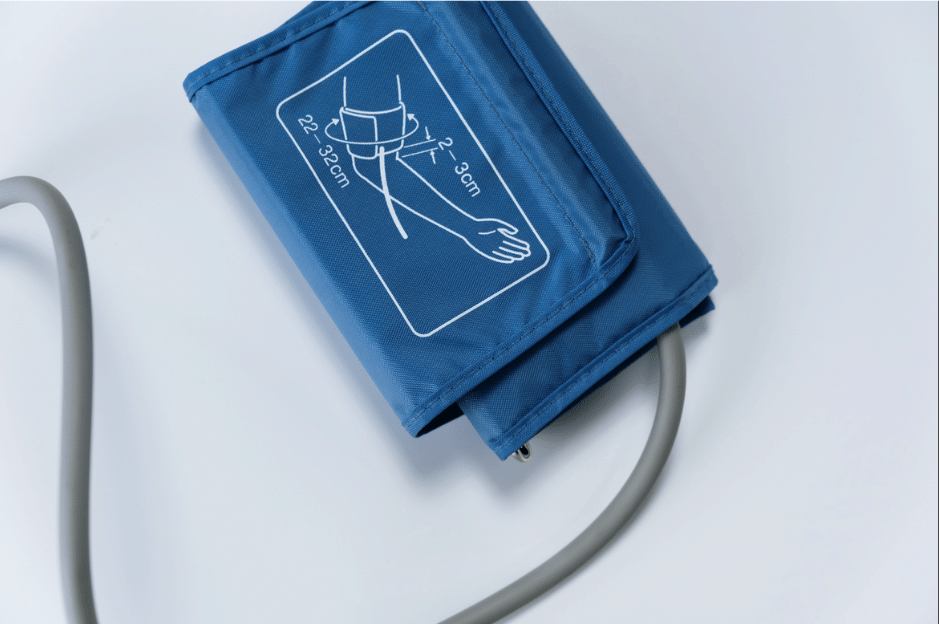
Blood pressure is measured using a blood pressure monitor, which provides two numbers:
- Systolic blood pressure (the higher number), measured when the heart contracts to pump blood
- Diastolic blood pressure (the lower number), measured when the heart relaxes and fills with blood
Systolic Blood Pressure mmHg | Diagnosis Blood Pressure mmHg | |
Normal blood pressure | < 130 | < 85 |
High-normal blood pressure | 130-139 | 85-89 |
Mild hypertension | 140-159 | 90-99 |
Moderate hypertension | 160-179 | 100-109 |
Severe hypertension | 180-209 | 110-119 |
A diagnosis of arterial hypertension can only be confirmed after measuring the patient’s blood pressure at rest on several occasions spaced over time. Indeed, blood pressure can vary significantly after physical exertion or stress, for example.
In cases of severe hypertension, an ophthalmologist may perform a fundus examination to assess the condition of the retinal blood vessels, which generally reflects the condition of blood vessels throughout the body. The extent of eye damage is a good indicator of the severity of the disease.
4. Treatment
There are many treatments available for hypertension because several systems within the body can contribute to elevated blood pressure. Since each medication acts on only one system, it is often necessary to use a combination of several drugs to effectively treat arterial hypertension.
CARDIOVALAM-H® is Exphar’s antihypertensive triple therapy, presented as a fixed combination of three active substances: amlodipine, valsartan, and hydrochlorothiazide. Each of these substances acts on a different system to help lower blood pressure.
The usual dosage is half a tablet to one tablet per day, according to your doctor’s advice.
Regular monitoring of the treatment is essential, particularly through frequent blood pressure checks. You should never stop or reduce your treatment without medical advice.
It is helpful to combine medication with healthy lifestyle and dietary measures:
- Engage in regular physical activity
- Lose weight if overweight
- Reduce salt intake
- Reduce alcohol consumption
- Stop smoking
- Eat more fruits and vegetables and fewer animal fats
Need more information?
Would you like to discover our activities or learn more about our medicines?
Contact