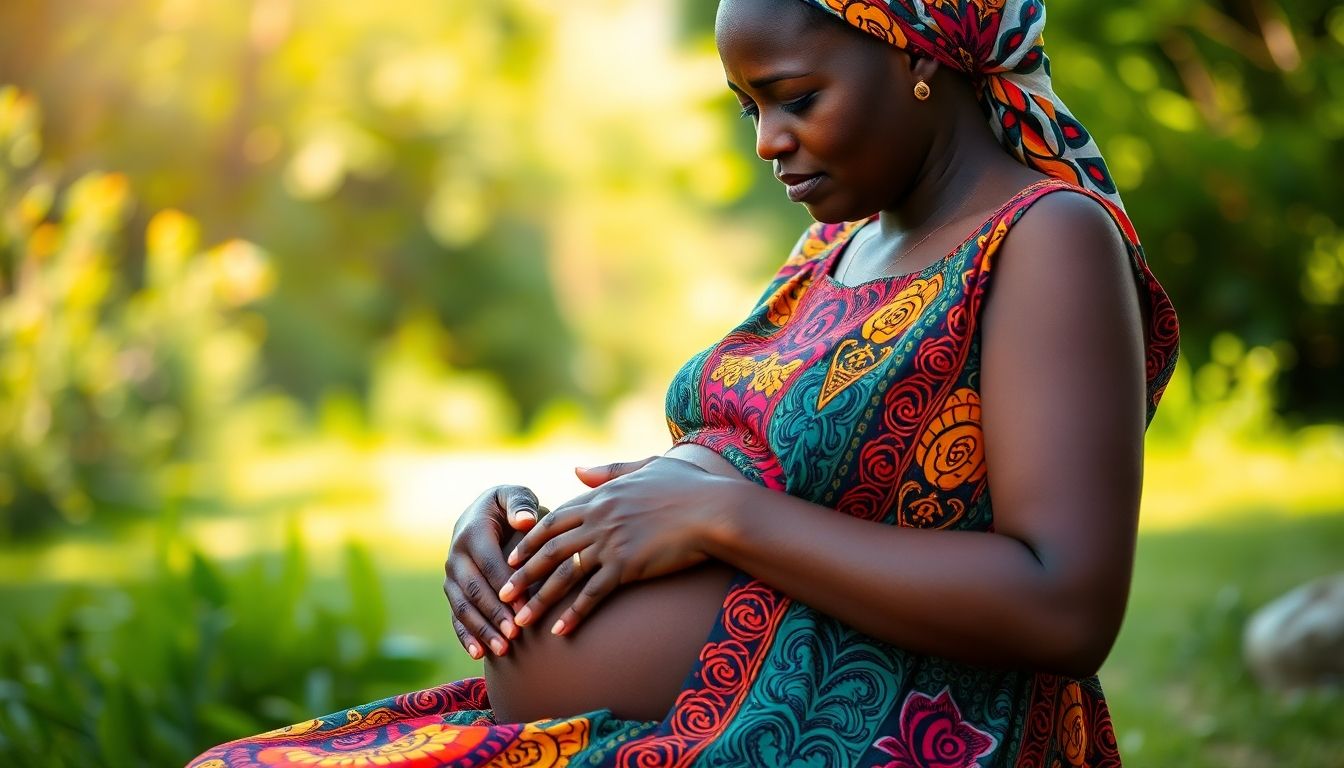
During pregnancy, a woman’s body goes through many changes. One of the most common health challenges is anemia, often caused by a lack of iron or certain vitamins. It may start quietly, but if left untreated it can have serious consequences for both mother and baby. The good news: anemia can be prevented and treated with simple, effective solutions.
Anemia in pregnancy: A widespread problem in Africa
According to the World Health Organization (WHO), more than half of pregnant women in sub-Saharan Africa suffer from anemia. Several factors explain this high rate:
- Greater nutritional needs: during pregnancy, the demand for iron and folic acid increases significantly.
- Limited diet: in some regions, access to iron-rich foods is restricted.
- Malaria and infections: these illnesses destroy red blood cells and make anemia worse.
- Closely spaced pregnancies: the body may not have enough time to rebuild its iron reserves.
This reality makes anemia a major public health concern in Africa.
Recognizing the symptoms
Anemia can be difficult to notice at first. Early symptoms are often subtle:
- Persistent fatigue and low energy
- Pale skin and lips
- Shortness of breath, especially when active
- Headaches, dizziness, or rapid heartbeat
These signs are sometimes confused with normal pregnancy effects, but they should not be ignored. A simple blood test can confirm the diagnosis.
The risks for mother and baby
If anemia is not treated, the consequences can be severe:
- For the mother: extreme tiredness, higher risk of complications during childbirth (such as bleeding and infections), and a slower recovery.
- For the baby: growth problems, low birth weight, premature birth, or even risk of neonatal death.
Maintaining healthy iron and vitamin levels is therefore essential for both mother and child.
How to prevent anemia during pregnancy
Prevention is possible through three key actions:
1. Eat iron-rich foods
- Red meat, liver, well-cooked fish
- Legumes: lentils, beans, chickpeas
- Green leafy vegetables
Tip: pair with vitamin C (e.g., lentils + lemon) to boost iron absorption.
⚠️ Tea, coffee, and dairy can block iron absorption — consume them away from meals.
2. Protect against infections
In Africa, preventing malaria (treated bed nets, proper treatment) is crucial for reducing the risk of anemia.
3. Take iron and folic acid supplements
Even with a good diet, it’s often hard to cover all nutritional needs during pregnancy. Doctors recommend supplementation from the very beginning.
FERCEFOL: A trusted ally against anemia
To meet the increased needs of pregnant women, FERCEFOL combines iron and folic acid in a formula that:
- Prevents and corrects iron and vitamin deficiencies
- Is gentle and well tolerated, with fewer digestive side effects
- Protects both the mother’s health and the baby’s development
FERCEFOL is a simple and effective solution, adapted to the realities faced by women in Africa.
Conclusion
Anemia in pregnancy is common, but it is not unavoidable. With the right diet, protection against infections, and proper supplementation, every woman can safeguard her health and her baby’s future.
By choosing a reliable support like FERCEFOL, expectant mothers gain a true partner for a safer, healthier, and more confident pregnancy.